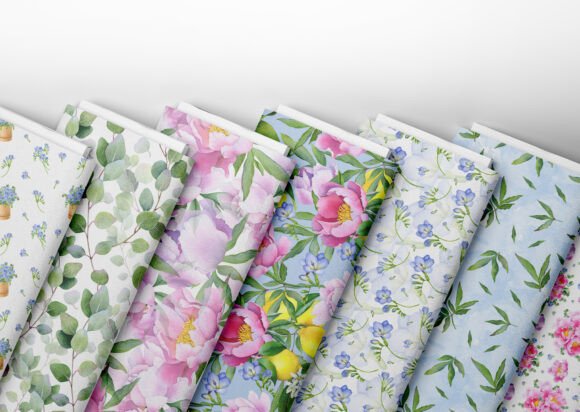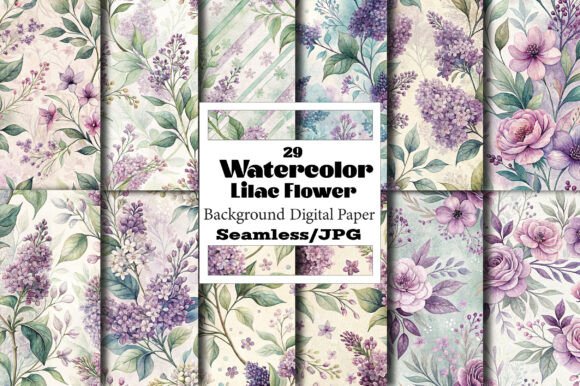
Strategic Applications of Watercolor LILAC FLOWER Patterns in Digital and Physical Branding
In the contemporary landscape of digital content creation and small business operations, visual assets are no longer merely decorative; they are functional tools for communication, branding, and conversion. Among the vast array of available design resources, Watercolor LILAC FLOWER Patterns have emerged as a versatile asset class that bridges the gap between organic aesthetics and professional polish. For entrepreneurs, marketers, and creators aged 20 to 50, understanding how to leverage these specific graphic elements can significantly enhance product appeal, streamline production workflows, and strengthen brand identity across multiple touchpoints.
The term "Watercolor LILAC FLOWER Patterns" refers to high-resolution, seamless digital illustrations characterized by soft, blended hues of purple, lavender, and white, mimicking the traditional watercolor medium. However, their value extends far beyond their artistic appearance. When sourced correctly—specifically as instant digital downloads in JPG format at 300 DPI—they serve as foundational components for a wide spectrum of commercial and personal projects. This article explores the strategic utility of these patterns, offering guidance on how to integrate them effectively into business models, creative portfolios, and operational designs.
The Strategic Value of Seamless Design Assets
Before diving into specific applications, it is crucial to understand why seamless patterns hold such weight in modern design strategy. A seamless pattern allows for infinite tiling without visible breaks or edges. This technical feature is indispensable for large-format printing, such as fabric rolls for tote bags, continuous wraps for tumblers, and expansive website backgrounds. By utilizing pre-made, high-quality seamless designs like Watercolor LILAC FLOWER Patterns, designers and business owners eliminate the need for time-consuming custom illustration work, thereby reducing overhead costs and accelerating time-to-market.
The aesthetic choice of lilac flowers carries specific psychological and market implications. Lilac is often associated with spring, renewal, femininity, nostalgia, and tranquility. In branding, this color palette can evoke feelings of calmness and elegance, making it particularly effective for businesses in the wellness, beauty, lifestyle, and stationery sectors. Unlike bold, aggressive primary colors, lilac patterns allow brands to communicate sophistication and approachability simultaneously. This subtle emotional signaling is a key component of customer experience design, influencing purchase decisions before a single word is read.
Diversifying Revenue Streams Through Product Integration
For small business owners and side-hustlers, the ability to pivot quickly between product categories is a competitive advantage. Watercolor LILAC FLOWER Patterns offer exceptional versatility across diverse product lines, allowing creators to test markets without significant inventory risk. Below are several strategic avenues where these patterns can be deployed effectively.
- Apparel and Accessories: The soft nature of watercolor lilacs pairs exceptionally well with cotton and linen fabrics. Applying these patterns to tote bags, tote prints, and t-shirts creates a cohesive look that appeals to consumers seeking comfort and style. Because the files are provided in high-resolution JPG format, they maintain clarity even when scaled up for large garment prints, ensuring that the delicate details of the flower petals remain sharp and professional.
- Home Decor and Soft Goods: Personalized pillows and printable fabric represent a growing segment of the home decor market. These patterns can be used to create limited-edition throw pillow covers or nursery textiles. The "cute" factor mentioned in many product descriptions resonates strongly with parents and young adults furnishing their first homes, driving higher engagement on social media platforms.
- Packaging and Label Design: In the handmade goods industry, packaging is half the product. Using Watercolor LILAC FLOWER Patterns for candle soap product labels, gift tags, and box liners elevates the perceived value of the item. A minimalist label featuring a subtle lilac pattern suggests premium quality, encouraging customers to share their unboxing experiences online, which serves as organic marketing.
Enhancing Digital Presence and Content Marketing
Digital assets are equally critical in today’s economy. The same Watercolor LILAC FLOWER Patterns that adorn physical products can be repurposed to create compelling digital environments. For bloggers, influencers, and corporate professionals, consistent visual branding across platforms builds trust and recognition.
Consider the use of these patterns in Trendy social media backgrounds. Instagram stories, Pinterest pins, and YouTube thumbnails benefit from visually pleasing backdrops that do not distract from the main content. A lilac floral background provides a clean, airy canvas for text overlays, making information easier to digest while maintaining an aesthetically pleasing feed. Similarly, Website graphics and website backgrounds can utilize these seamless patterns to add texture and depth to landing pages, moving away from flat, sterile designs toward more immersive user experiences.
Furthermore, digital papers pack set capabilities allow educators and freelancers to create engaging presentations and downloadable resources. Teachers can incorporate these patterns into worksheets, certificates, and classroom decorations, fostering a positive learning environment. Freelance designers can offer these as part of a larger package to clients looking for quick, elegant solutions for event invitations or wedding stationery.
Operational Efficiency and Workflow Optimization
One of the most overlooked benefits of using pre-made digital patterns is the optimization of operational workflow. Creating original artwork from scratch requires significant hours of skill development and execution. By sourcing high-quality, watermark-free files, creators can focus their energy on strategy, marketing, and customer service rather than repetitive design tasks.
The specification of High Resolution 300 DPI is a critical technical detail that supports this efficiency. Many amateur users struggle with pixelation when scaling images for print. By starting with 300 DPI assets, you ensure compatibility with professional sublimation printers, vinyl cutters, and offset printing services. This reduces waste caused by misprints and rework, directly impacting your bottom line. Additionally, the fact that dimensions can be resized to suit your needs means you do not need to hunt for different aspect ratios for every platform; a single source file can serve as a tumbler wrap, a phone case design, and a book cover simultaneously.
Risks and Considerations for Intentional Use
While the advantages are clear, relying on stock or template-based patterns requires strategic oversight to avoid common pitfalls. The primary risk is homogenization. If every competitor in your niche uses the exact same lilac pattern, your brand loses its distinctiveness. To mitigate this, you must treat the pattern as a base layer rather than the entire design. Incorporate unique typography, custom logos, or specific layout structures to differentiate your offerings. For instance, pairing Watercolor LILAC FLOWER Patterns with modern, sans-serif fonts creates a contemporary contrast, whereas pairing it with script fonts leans into traditional elegance.
Another consideration is context alignment. Not all audiences respond positively to floral motifs. B2B technology firms or industrial manufacturers may find lilac patterns incongruent with their brand voice. It is essential to conduct audience research to ensure that the emotional tone of the imagery aligns with your target demographic's expectations. Furthermore, always verify the licensing terms of the digital download. While many personal use licenses are generous, commercial rights for resale on platforms like Etsy or Amazon KDP vary. Ensure you have the appropriate permissions to avoid legal complications.
Long-Term Planning and Creative Evolution
Integrating Watercolor LILAC FLOWER Patterns into your business strategy should be viewed as part of a broader seasonal or thematic planning cycle. Floral trends often follow seasonal rhythms; lilac is inherently linked to spring and early summer. Strategic planners might introduce these patterns in Q1 to capitalize on seasonal interest, then transition to warmer tones or abstract geometries in subsequent quarters. This approach keeps your brand feeling fresh and relevant over time.
Additionally, consider the lifecycle of your products. Items like Mini junk journals, Scrapbook decoupage, and Playing cards are consumable or collectible goods. By releasing new variations of lilac patterns regularly, you encourage repeat purchases from hobbyists who enjoy collecting diverse designs. This subscription-like behavior can stabilize revenue streams and build a loyal community around your brand.
Conclusion: Making Better Design Decisions
The decision to utilize Watercolor LILAC FLOWER Patterns is not just about acquiring pretty images; it is about investing in scalable, multi-purpose assets that support your broader business goals. Whether you are designing Party napkins, plates, creating Sublimation graphics for tumblers, or developing Personalized Pillows, the underlying principle remains the same: intentional design drives results.
By prioritizing high-resolution, seamless, and versatile digital assets, you empower yourself to execute ideas faster and with greater precision. Remember that the tool is only as effective as the strategy behind it. Define your audience, align the aesthetic with your brand values, and use these patterns to enhance, not replace, your unique creative voice. In doing so, you transform simple digital files into powerful instruments for growth, connection, and lasting impact.