Fall Dahlia and Mum Flower Patterns
Designing for the autumn season requires more than just slapping orange hex codes onto a canvas. It demands texture, warmth, and a sense of grounded elegance that resonates with consumers during this peak creative period. The Fall Dahlia and Mum Flower Patterns collection offers a sophisticated solution for designers and brand strategists looking to elevate their seasonal assets without reinventing the wheel. This digital paper collection is not merely a set of images; it is a curated library of seamless textures designed to integrate seamlessly into high-stakes commercial projects.
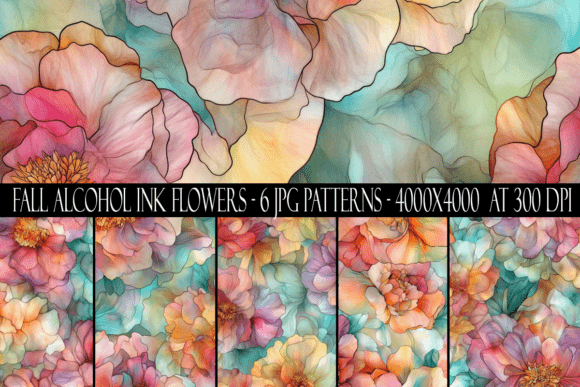
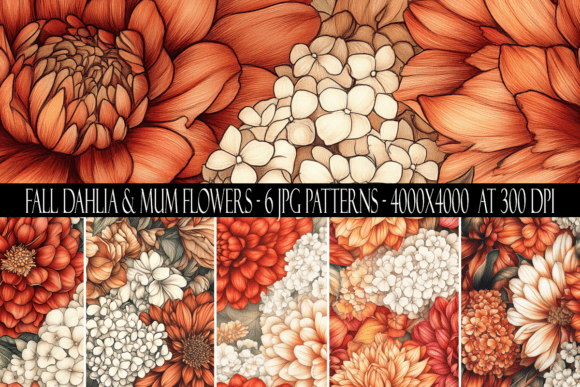
At its core, this collection provides six distinct seamless patterns featuring the classic botanical motifs of dahlias and mums. These flowers are quintessential symbols of fall, representing abundance, refinement, and the gentle transition of seasons. By leveraging these established visual cues, creators can instantly communicate a specific mood—one that is cozy yet polished, traditional yet fresh. The files are provided in a convenient zip format, containing high-resolution JPGs that are ready for immediate deployment across various media.
Visual Characteristics and Design Appeal
When evaluating design assets, the first step is understanding the visual language they speak. The Fall Dahlia and Mum Flower Patterns rely on intricate floral arrangements that balance density with negative space. Unlike busy, chaotic boho patterns that can overwhelm a layout, these designs maintain a structured elegance. The repetition is precise, ensuring that when tiled, the seams are invisible, creating an infinite field of texture that feels organic rather than algorithmic.
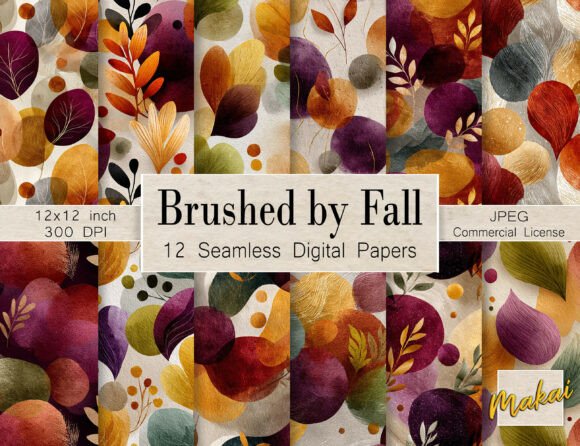
The aesthetic leans towards modern typography’s need for clean backgrounds or rich overlays. Whether used as a subtle backdrop for text-heavy editorial content or as a primary visual element in packaging design, the patterns offer versatility. The color palettes typically evoke the earthy tones of late October—deep burgundies, burnt oranges, muted golds, and soft creams. These colors are strategically chosen to complement both warm and cool lighting conditions, making them adaptable for web design and print alike.
From a technical standpoint, each design is rendered at 4000 x 4000 pixels with a 300 dpi resolution. This specification is critical for professionals who require crisp output for large-format printing, such as banners, fabric prints, or high-quality stationery. For digital applications, the high resolution ensures that the patterns look sharp on retina displays and high-density screens, maintaining clarity even when scaled down for social media graphics.
Strategic Applications Across Industries
The utility of this pattern collection extends far beyond simple decoration. For small business owners and entrepreneurs, consistent branding is the difference between being noticed and being forgotten. Using Fall Dahlia and Mum Flower Patterns allows brands to maintain a cohesive identity throughout the autumn months. Here is how different sectors can leverage these assets:
- Packaging Design: Food and beverage companies, particularly those selling pumpkin spice products, artisanal candles, or holiday gift sets, can use these patterns for wrapping paper, box liners, or sleeve labels. The seamless nature ensures that the design wraps around corners without awkward breaks, enhancing the unboxing experience.
- Editorial Design: Magazines and blogs covering lifestyle, home decor, or fashion can utilize these patterns as section dividers, pull-quote backgrounds, or full-page spreads. The floral motif adds a touch of sophistication that elevates the perceived value of the content.
- Web Design: In an era where user experience dictates conversion rates, background textures play a subtle but powerful role. These patterns can serve as hero image overlays or footer backgrounds, adding depth without distracting from the call-to-action buttons.
- Social Media Graphics: Content creators need assets that stand out in crowded feeds. A well-composed graphic using one of these seamless patterns can increase engagement by providing a visually pleasing contrast to plain white or solid-color posts.
Furthermore, the collection supports both personal and commercial use, which is a significant advantage for freelancers and agencies. When you purchase or gain membership access, you receive licensing that permits the use of these patterns in end-products sold to clients. This eliminates the legal ambiguity that often plagues smaller design studios, allowing you to focus on creativity rather than compliance.
Enhancing Brand Perception and Readability
Typography and pattern work hand-in-hand to establish visual hierarchy. While fonts dictate the voice of your message, patterns provide the emotional context. The Fall Dahlia and Mum Flower Patterns are designed to support, not compete with, your primary typeface. Because the floral elements are detailed but not overly loud, they allow serif and sans serif fonts to remain legible when overlaid.
For brand strategists, consistency is key to recognition. By integrating these specific patterns into your autumn campaign, you create a recognizable visual signature. Customers begin to associate the dahlia and mum motifs with your brand’s seasonal offerings. This psychological association builds trust and familiarity, which are essential components of long-term customer loyalty. Additionally, the professional quality of the 300 dpi files signals attention to detail, reinforcing the perception that your brand values quality and craftsmanship.
Practical Implementation and Licensing
Integrating these patterns into your workflow is straightforward, but there are best practices to ensure optimal results. First, always test your patterns at actual production size before finalizing any print job. While the source files are 4000x4000 pixels, scaling them down too aggressively can cause pixelation if the original resolution was insufficient (which is not the case here, but good practice nonetheless).
When selecting a pattern, consider the weight of the design. Heavier, denser floral arrangements work best as backgrounds for light-colored text, while lighter, airier patterns can support darker typography. Experiment with opacity settings to soften the impact if the pattern feels too dominant. For example, reducing the opacity to 80% can help the pattern blend more naturally with underlying colors.
Regarding licensing, the inclusion of commercial and POD (Print on Demand) rights is a major benefit. This means you can apply these patterns to physical goods like t-shirts, mugs, tote bags, and home decor items and sell them without paying additional royalties per unit. However, it is crucial to review the specific terms of your purchase or membership. Typically, these licenses allow for unlimited end-product sales but prohibit the resale of the digital files themselves as standalone assets. Always keep a record of your license certificates to protect your business in case of audits.
In conclusion, the Fall Dahlia and Mum Flower Patterns collection is a valuable addition to any designer’s toolkit. It combines aesthetic appeal with technical precision, offering a versatile solution for a wide range of creative projects. By leveraging these high-quality seamless patterns, you can enhance your brand’s visual identity, improve audience engagement, and streamline your production process. Whether you are crafting a boutique e-commerce store or designing a corporate holiday newsletter, these assets provide the professional finish that modern audiences expect.