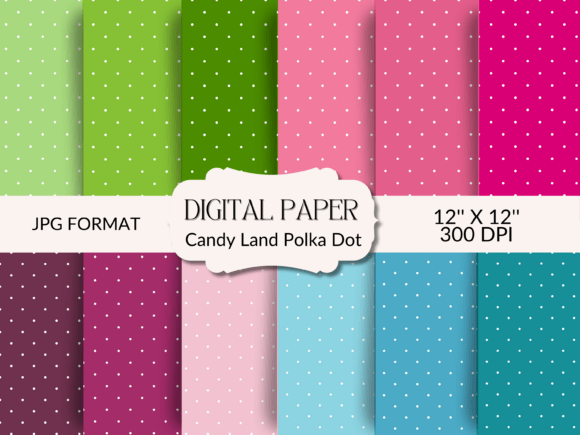
12 Candy Land Polka Dot Patterns: A Practical Guide to Choosing and Using Digital Papers
Visual appeal is often the first thing that captures attention in digital design, whether you are crafting a birthday invitation, designing a classroom resource, or building a brand identity for a children’s product. This is where 12 Candy Land Polka Dot Patterns comes into play. These high-resolution digital papers offer a vibrant, playful aesthetic that can instantly elevate a project from mundane to memorable. However, simply downloading a set of colorful backgrounds is not enough to ensure professional results. Many creators overlook critical details regarding resolution, licensing, and application, leading to pixelated prints or legal ambiguities.
This guide explores what these patterns are, why they are popular among both hobbyists and professionals, and how to avoid common pitfalls when integrating them into your workflow. By understanding the technical specifications and creative possibilities, you can make informed decisions that save time, money, and frustration.
Understanding the Product Specifications
Before diving into design applications, it is essential to understand exactly what you are acquiring. The core value of this specific digital paper set lies in its technical consistency and visual variety. Here is a breakdown of what typically defines a high-quality set like the one described:
- Format and Resolution: Each pattern is provided as a JPG file at 300 DPI (dots per inch). This resolution is the industry standard for print media. If you plan to use these images on physical products—such as scrapbook pages, greeting cards, or party banners—300 DPI ensures crisp edges and smooth color gradients. Lower resolutions, such as 72 DPI, may look acceptable on a screen but will appear blurry or pixelated when printed.
- Dimensions: The files are sized at 12 x 12 inches. This is a standard size for scrapbooking and many digital craft templates. It allows for easy cropping and layering without needing to stretch or distort the image, which can introduce artifacts.
- Volume and Variety: The set includes 12 distinct patterns. Having multiple variations prevents monotony in larger projects. For instance, if you are creating a multi-page booklet or a series of social media graphics, alternating between different polka dot densities and color palettes adds visual interest.
Common Mistakes When Using Digital Papers
Even experienced designers can fall into traps when using pre-made digital assets. Being aware of these common errors can help you maintain high standards in your work.
Ignoring Licensing Rights
One of the most significant misunderstandings involves commercial usage rights. Just because you purchased or downloaded a digital paper does not automatically grant you the right to sell items made with it. Some licenses allow for personal use only, while others permit limited commercial use (e.g., selling up to 500 physical copies). Always read the license agreement included with the download. Assuming broad permissions can lead to cease-and-desist letters or financial penalties, especially for small business owners and freelancers.
Mismatching Color Profiles
Digital screens use RGB (Red, Green, Blue) color models, while printers use CMYK (Cyan, Magenta, Yellow, Key/Black). While JPGs are typically RGB, converting them to CMYK for print can result in colors appearing duller or darker than expected. Bright candy-shop colors, in particular, may lose their vibrancy if not managed correctly. To mitigate this, always check a proof print before committing to a large batch. Additionally, consider asking your printer if they accept RGB files or if they require a specific conversion process.
Overusing Patterns in Design
A frequent error among beginners is overwhelming the viewer with too much pattern. While 12 Candy Land Polka Dot Patterns are delightful, using them as the sole background for text-heavy content can reduce readability. Polka dots create visual noise. If you place white text directly over a busy, multi-colored dot pattern, the contrast may be insufficient, making the text difficult to read. Instead, use the patterns as accents or pair them with solid-colored overlays to create breathing room for your typography.
Strategic Applications for Different Audiences
The versatility of these digital papers makes them suitable for a wide range of users. Here is how different groups can leverage these assets effectively.
For Educators and Parents
Educators often need engaging materials to capture students' attention. These patterns are ideal for creating worksheets, certificate templates, or classroom decorations. The bright colors stimulate engagement, while the simple geometric shapes provide a non-distracting backdrop for learning content. Ensure that any text added for educational purposes has high contrast against the background. For example, use a dark navy blue font on a light pastel polka dot background for maximum legibility.
For Small Business Owners and Marketers
Entrepreneurs in the children’s market, such as those selling toys, baby clothes, or party supplies, can use these patterns for packaging inserts, thank-you cards, and social media ads. Consistency in branding is key. If your brand uses bright, playful colors, these digital papers align well with that identity. However, ensure that the patterns do not clash with your logo or primary brand colors. Use tools like Canva or Adobe Illustrator to overlay your logo on a semi-transparent solid color box placed atop the pattern.
For Hobbyists and Scrapbookers
Traditional scrapbookers appreciate the convenience of digital papers. They can print these 12x12 sheets at home or through a local print shop and cut them to fit various album layouts. The 300 DPI resolution ensures that even when scanned or photographed, the quality remains high. Hobbyists should also consider the durability of the paper stock used for printing. Thicker cardstock provides a more premium feel for keepsake albums compared to standard printer paper.
Best Practices for Integration
To get the most out of your 12 Candy Land Polka Dot Patterns, follow these practical steps during the design process:
- Organize Your Files: Before opening your design software, sort the JPGs into folders by color palette (e.g., pinks, blues, yellows). This saves time when searching for the right background.
- Test Print Early: Print one sheet of each pattern to check color accuracy and brightness. Adjust your monitor settings or software color profiles if the output looks significantly different from the screen.
- Layer Strategically: Do not rely solely on the pattern for texture. Add subtle shadows, borders, or icons to create depth. For example, placing a white border around an element can separate it from the busy background.
- Check File Integrity: Ensure that the JPG files are not compressed excessively. Low-quality compression can introduce jagged edges around the polka dots. If you notice pixelation, try to find a higher-quality source or adjust your export settings.
Final Considerations
Choosing the right digital assets is about more than just aesthetics; it is about functionality, legality, and quality. 12 Candy Land Polka Dot Patterns offer a charming solution for adding whimsy to various projects. By respecting licensing agreements, managing color profiles correctly, and applying thoughtful design principles, you can create professional-grade outputs that resonate with your audience.
Whether you are a seasoned graphic designer looking for quick background options or a beginner eager to start your first craft project, paying attention to these details will enhance your creative experience. Avoid the trap of assuming all digital papers are created equal. Evaluate the resolution, review the license, and test your designs before finalizing them. With careful planning, these sweet-looking patterns can become a staple in your creative toolkit, helping you produce work that is both visually appealing and technically sound.